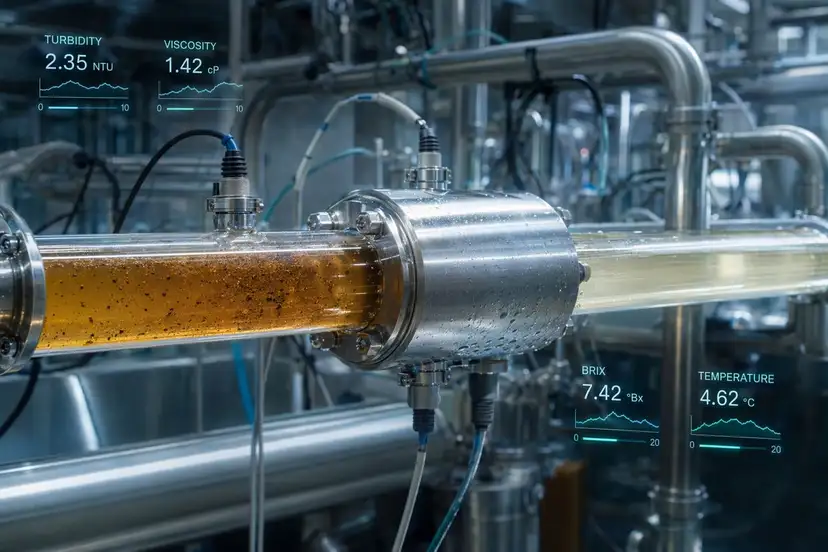
Managing Sediment in RTD Tea, Yerba Mate and Herbal Infusions
A practical RTD beverage guide to reducing sediment from suspended solids, tea cream, plant fibers, pectin, temperature shifts and packaging format.
Request pricing A practical RTD beverage guide to reducing sediment from suspended solids, tea cream, plant fibers, pectin, temperature shifts and packaging format.
Request pricingBrixPilot is an enzyme supplier for beverage manufacturing teams that need cleaner pours, tighter mouthfeel targets and fewer surprises after filling. In RTD tea, yerba mate and botanical infusions, sediment is rarely caused by one variable. It is usually the combined result of leaf fines, extracted plant polymers, pectin, polyphenol complexes, mineral interactions, storage temperature and the way the package presents settling to the consumer.
The production question is not simply, “Can we make it clear?” The better question is: Can we make the finished beverage repeatable at commercial speed, through shelf life, in the package we intend to sell?
Sediment formation can show up as a light dusting, cloudy bottom layer, floating flocs, a ring at the shoulder of the bottle or visible haze that increases over time. The root causes vary by ingredient system.
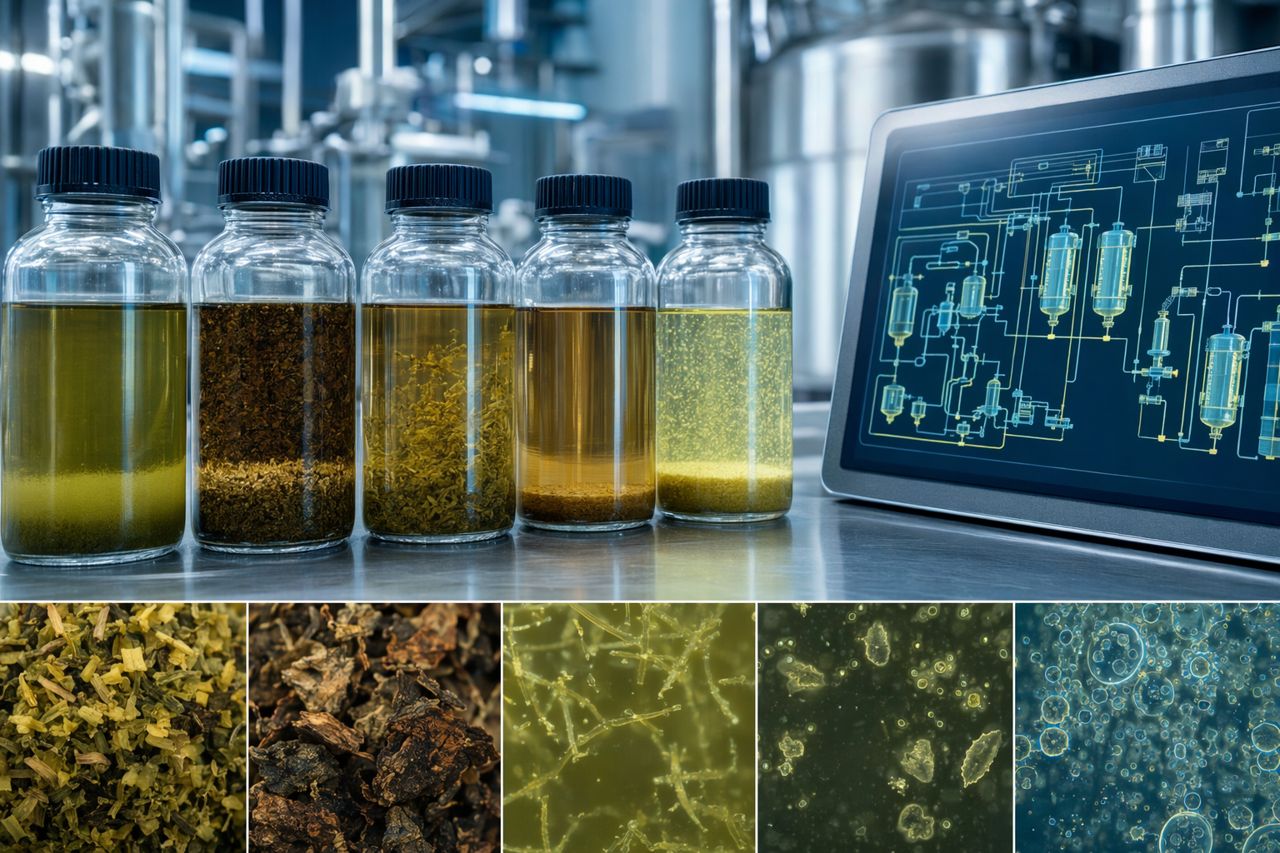
Tea leaves, yerba mate, hibiscus, ginger, mint, chamomile, rooibos and blended botanicals bring insoluble material into extraction. Even after coarse separation, fine particles can remain suspended during batching and then settle once the beverage is bottled.
Production impact:
Black tea, green tea and mate extracts contain polyphenols that can complex with caffeine, proteins, minerals and other formulation components. These complexes may remain dispersed when warm, then appear as haze or sediment after cooling.
Production impact:
Botanical extracts contain cellulose, hemicellulose and other structural materials. These fragments can create a rough mouthfeel, hold haze in suspension and increase filtration resistance.
Production impact:
Fruit-accented teas and herbal beverages with citrus, berry, apple, peach, mango or hibiscus systems may carry pectin or pectin-like hydrocolloids. Even when not visible as particles, these polymers can increase viscosity and trap haze-forming material.
Production impact:
RTD beverages often look different at extraction temperature, blend temperature, fill temperature, ambient warehouse temperature and chilled consumption temperature. Sediment risk increases when a formulation is only checked at one condition.
Production impact:
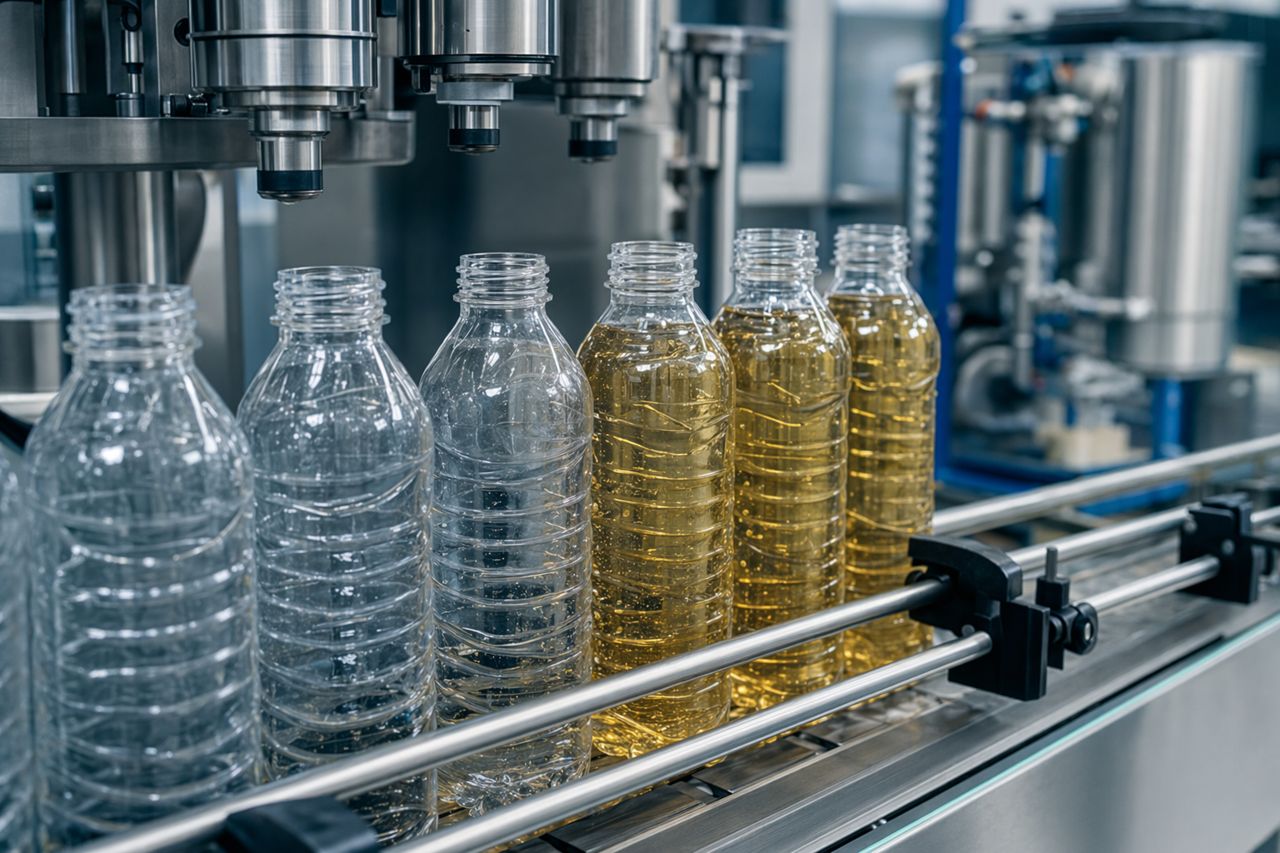
A sediment level that is acceptable in an opaque carton may be unacceptable in a clear PET bottle. Slim bottles, tall glass, wide-base PET and multipacks stored horizontally can all change how sediment is seen.
Production impact:
Enzyme treatment is not a cosmetic fix. Used correctly, it is a process tool for modifying the plant-derived materials that drive haze, viscosity, filtration load and settling behavior.
For RTD tea, yerba mate and herbal infusions, BrixPilot typically looks at four production outcomes:
The right enzyme approach depends on the ingredient matrix, extraction process, thermal profile, pH, sweetener system, acidulant and final packaging plan.
In tea beverages with fruit notes or botanical concentrates, pectin can bind water and stabilize fine haze. Pectin-focused enzyme systems can help reduce viscosity and release trapped solids before separation.
Best-fit production goals:
Cell-wall fragments from leaves, roots, flowers and fruit inclusions can create persistent turbidity and visible settling. Fiber-targeted enzyme systems can help reduce the structural load before polishing.
Best-fit production goals:
Tea and herbal raw materials vary by crop, cut size, extraction intensity and supplier. Enzyme-assisted processing can help normalize solids behavior so the downstream line sees a more predictable feed.
Best-fit production goals:
Before adding stabilizers or changing the flavor system, run the sediment issue through a process lens.
Review botanical cut size, extraction temperature, residence time, agitation and separation method. Over-extraction can increase polyphenol load, fiber release and viscosity. Under-separation can push fines downstream.
The enzyme step should be placed where it has access to the target material without disrupting flavor, color or downstream heat treatment. In many RTD systems, this means evaluating treatment before final polishing and before the most restrictive filtration stage.
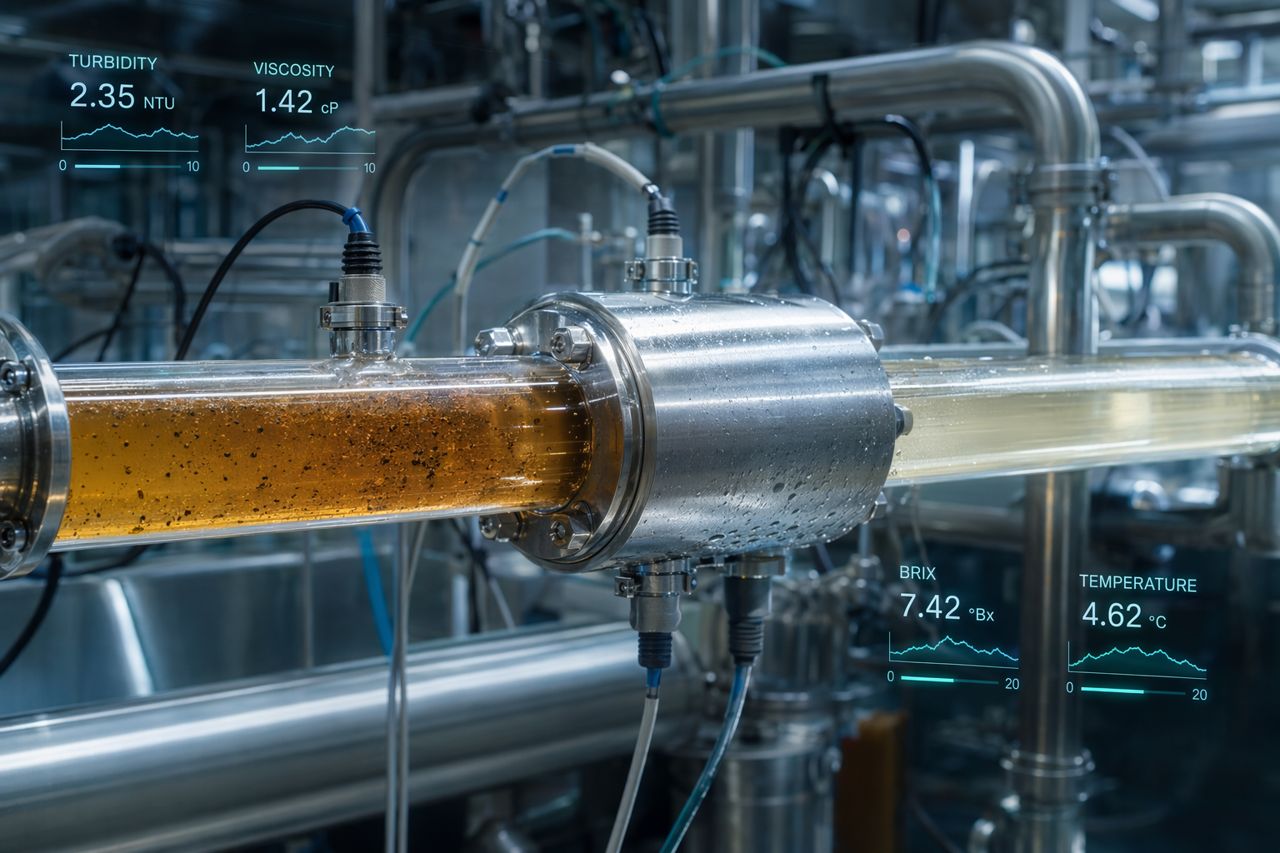
Sediment management improves when enzyme treatment, separation and filtration are designed as a linked system. If the enzyme step reduces viscosity but the filtration train is not adjusted, the plant may miss the full line-efficiency benefit.
Heat treatment can shift haze behavior by changing solubility, extract structure and interactions between polyphenols and other components. Evaluate appearance after the real thermal path, not only in the bench blend.
Assess the beverage in the actual package style across ambient and chilled conditions. A formulation that looks stable in a beaker may show a visible sediment cone in a tall clear bottle.
BrixPilot supports R&D, process engineering and procurement teams by translating sediment issues into plant-ready enzyme selection criteria. The goal is not to overload the formula. The goal is to make the process more predictable.
Typical specification inputs include:
A well-matched enzyme strategy can support measurable production gains without changing the consumer promise of the beverage.
Key outcomes for plant teams:
Not every RTD botanical beverage needs to be bright and glass-clear. Some herbal, mate and functional tea products use a natural infusion cue. The commercial issue is whether the sediment is intentional, stable and acceptable in the package.
Sediment becomes a problem when it:
The most effective enzyme program is built around the finished product standard, not a generic clarity target.
If your RTD tea, yerba mate or herbal infusion line is dealing with haze drift, bottom sediment, heavy mouthfeel or slow filtration, BrixPilot can help define a practical enzyme approach for your formulation and process.
Use the on-site request a quote form and include your beverage type, current process flow, package format, target appearance and the sediment behavior you are seeing. BrixPilot will review the production context and recommend a commercially practical starting point.
Tell us your application and volume — we reply with pricing and lead time.