RTD Beverage Quality Metrics R&D Managers Track Before Launch
In a ready-to-drink beverage factory, launch quality is not judged by a single lab result. It is confirmed by repeatable production behavior: stable clarity, controlled mouthfeel, predictable Brix, low sediment risk, consistent color, and shelf-life confidence across real batches.
As an enzyme supplier for beverage manufacturing, BrixPilot helps R&D and plant teams connect formulation intent with processing outcomes. The goal is not enzyme complexity. The goal is a beverage that runs cleanly, fills consistently, and holds its target experience after distribution.
This guide outlines the quality metrics RTD teams should track before launch, especially when fruit bases, botanicals, grains, tea extracts, coffee, dairy alternatives, fibers, stabilizers, or natural sweetener systems are part of the formulation.
1. Turbidity: the first signal of system stability
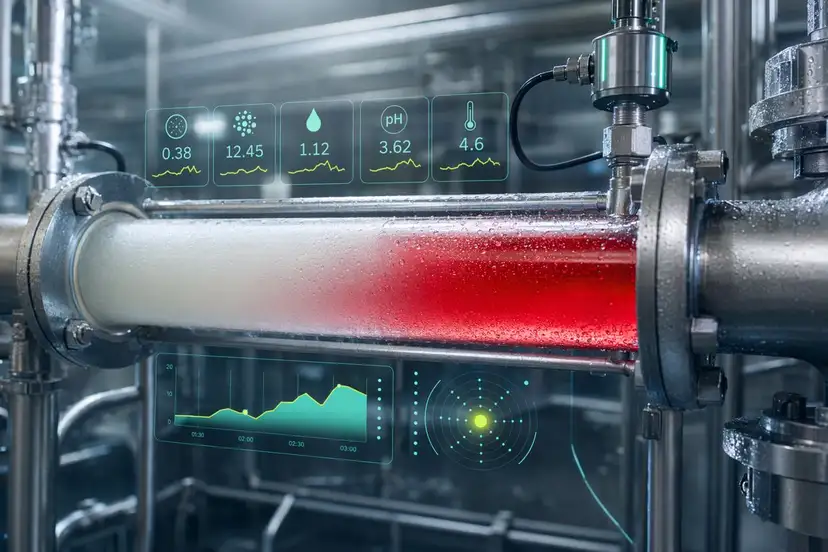
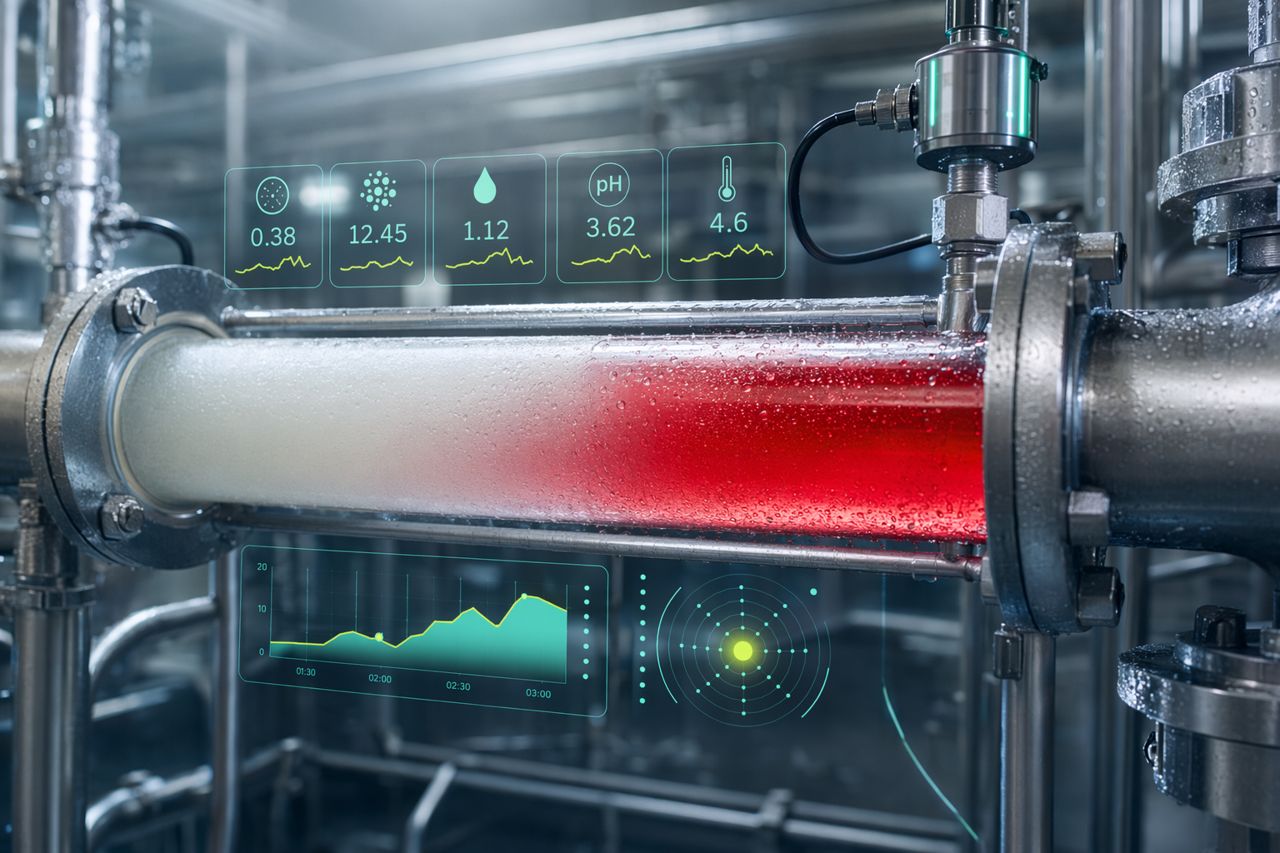
Turbidity is often the earliest visible warning that a beverage matrix is not fully controlled. Haze may be intentional in some products, but it still needs to be repeatable.
What to track
- Initial turbidity after blending
- Turbidity after thermal processing or cold-fill handling
- Turbidity change after 24 to 72 hours
- Turbidity after temperature cycling
- Difference between pilot batch and scale-up batch
Why it matters commercially
Unplanned haze can trigger customer complaints, retailer rejection, or reformulation delays. Even when haze is accepted as part of the product identity, inconsistent haze can make the line look uncontrolled.
Where enzymes can help
Targeted enzyme processing may reduce haze-forming polysaccharides, improve extract cleanup, and support more consistent clarification before filling. For cloudy beverages, enzyme selection should be aligned with desired body and opacity rather than maximum clarification.
2. Sediment: the metric consumers notice late but remember fast
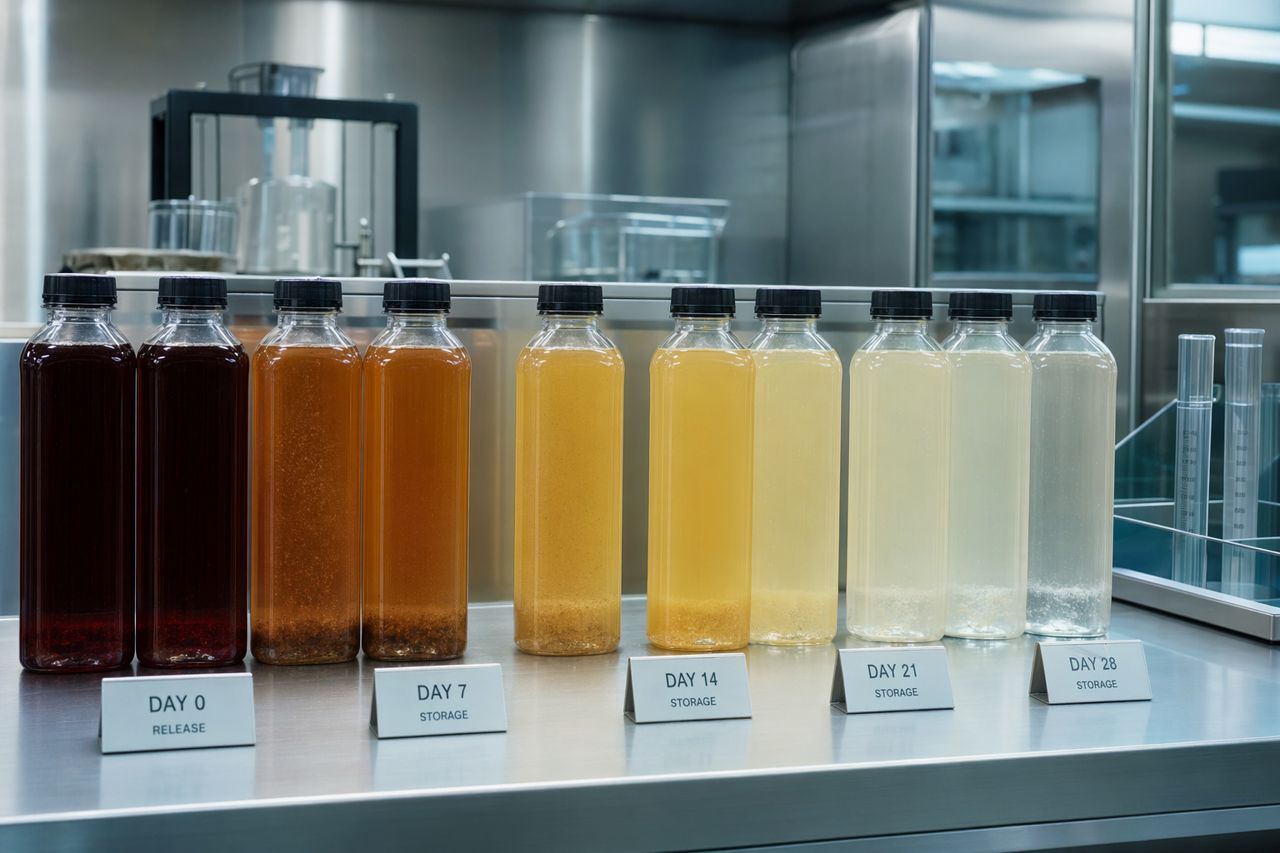
Sediment is not always visible at launch. It can develop after shipping, storage, vibration, or slow interaction between insoluble solids and the beverage matrix.
What to track
- Bottom sediment after static storage
- Ring formation at the fill line
- Settling rate during accelerated observation
- Sediment after chilled and ambient cycling
- Sediment differences across bottle, can, and PET formats
Production value
Sediment control protects brand perception and reduces the risk of post-launch complaints. It also helps QA define realistic shelf-life observations instead of relying only on day-one appearance.
Enzyme relevance
Enzymes can support sediment reduction by breaking down specific plant-derived structures that remain suspended during blending but settle later. This is especially relevant in fruit-forward RTDs, botanical drinks, tea bases, coffee beverages, and functional drinks with plant extracts.
3. Viscosity: line efficiency and drinking experience in one number
Viscosity affects both consumer perception and factory throughput. A beverage may taste right in the lab but slow the line, foam excessively, create inconsistent fill levels, or overload filtration during scale-up.
What to track
- Viscosity before and after enzyme treatment
- Viscosity at target serving temperature
- Viscosity after thermal processing
- Pumpability at production temperature
- Fill-level variation at target line speed
Why R&D should care early
A small viscosity shift can change mouthfeel, flow, foaming, filling accuracy, and cleaning demand. For RTD factories, viscosity control is a launch-readiness issue, not just a sensory preference.
Enzyme relevance
Pectin-, starch-, cellulose-, or beta-glucan-related viscosity can often be managed before final blending. The practical target is controlled flow without stripping the beverage of intended body.
4. Color: clarity, oxidation, and ingredient interaction
RTD beverages are judged visually before they are tasted. Color must survive processing, storage, light exposure, and ingredient interaction.
What to track
- Initial color after blend
- Color after heat exposure or pasteurization
- Color drift during storage
- Separation between top and bottom of container
- Effect of enzyme treatment on brightness and clarity
Commercial risk
A formulation that changes from bright and premium to dull or brown within weeks can fail at shelf, even if flavor remains acceptable.
Enzyme relevance
Enzyme-supported clarification can improve brightness in some systems, but over-processing can reduce desired natural character. R&D teams should define whether the target is brilliant clarity, natural translucency, or stable cloud.
5. Flavor drift: the launch metric that hides behind “it tasted fine yesterday”
Flavor drift is a major risk in RTD beverages because processing, oxygen exposure, ingredient interactions, and storage conditions can slowly move the product away from the approved bench profile.
What to track
- Day-one flavor against gold standard
- Flavor after heat processing
- Flavor after 1, 2, 4, and 8 weeks
- Chilled versus ambient flavor differences
- Bitterness, astringency, cooked notes, and stale notes
Why enzymes matter
Enzyme processing can influence extraction, release bound compounds, reduce viscosity-related perception, or change the way solids interact with flavor. The target is not more reaction; it is repeatable sensory balance under factory conditions.
6. pH: stability, safety design, and flavor architecture
pH affects microbial control strategy, flavor sharpness, ingredient solubility, color behavior, and preservative performance where applicable.
What to track
- pH after ingredient hydration
- pH after enzyme processing
- pH after final acid adjustment
- pH after thermal processing
- pH drift during storage
Practical production value
A stable pH range supports consistent flavor and helps the plant maintain defined safety and shelf-life programs. Small pH shifts can also change perceived sweetness, tartness, and botanical bitterness.
Enzyme relevance
Enzyme steps should be designed around the formulation’s pH window and processing sequence. BrixPilot helps teams evaluate where an enzyme step belongs so it supports the desired beverage profile instead of creating variability.
7. Brix: sweetness, solids, and batch repeatability
Brix is a familiar metric, but in RTD manufacturing it should be interpreted with matrix behavior, not treated as a standalone quality answer.
What to track
- Brix before and after concentration adjustment
- Brix after enzyme processing where relevant
- Brix after final dilution
- Batch-to-batch Brix variation
- Brix relationship to viscosity and mouthfeel
Why it matters commercially
Brix inconsistency can affect sweetness perception, label targets, blending economics, and concentrate usage. In scale-up, solids behavior may shift when fruit bases, grain extracts, or hydrocolloids interact.
Enzyme relevance
In some beverage systems, enzymes can support extract yield, reduce viscosity, or improve soluble solids handling. The value is measured in repeatability: predictable blend correction, stable mouthfeel, and cleaner production decisions.
8. Microbial controls: process design, not last-minute testing
Microbial control is a full process strategy involving formulation, pH, heat treatment, sanitation, packaging, and storage conditions. R&D teams should build microbial considerations into launch development from the beginning.
What to track with QA and plant teams
- Product pH and water activity strategy where relevant
- Thermal process compatibility with the formulation
- Ingredient risk profile
- Hold-time conditions before filling
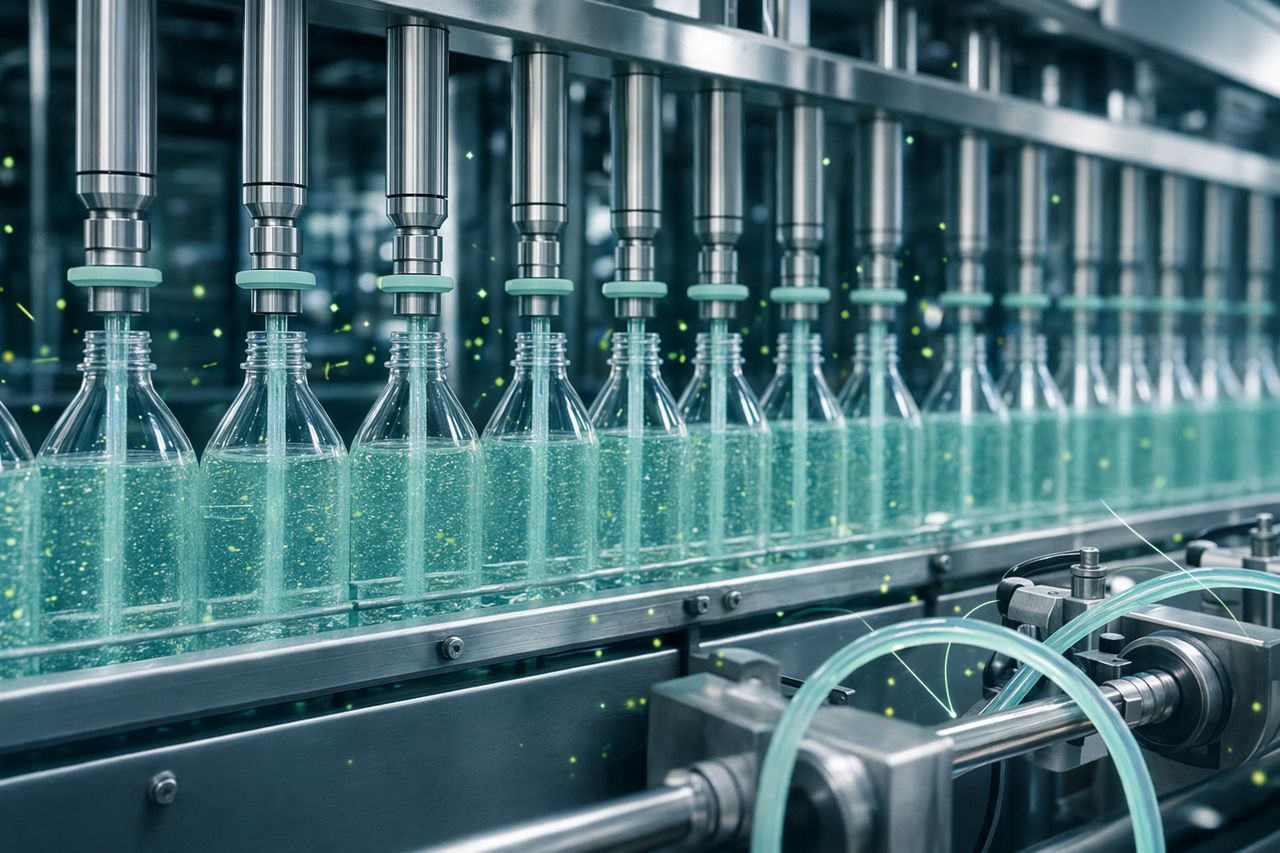
- Packaging and closure control points
- Shelf-life observation plan
Where enzymes fit
Enzymes are not a substitute for validated microbial controls. They should be evaluated as part of process performance: viscosity reduction, improved clarification, better filtration behavior, or more consistent extraction before the validated safety step.
9. Shelf-life observations: the bridge between pilot success and commercial launch
Shelf-life work should answer one practical question: will the product still look, pour, smell, and taste like the approved standard under expected distribution conditions?
What to observe
- Turbidity drift
- Sediment formation
- Color shift
- Flavor drift
- pH movement
- Brix movement
- Package swelling or pressure changes where relevant
- Cap or seam performance observations
- Chilled and ambient condition differences
Best practice for R&D teams
Build a shelf-life observation grid that includes both analytical checks and sensory observations. Use the same containers, closures, fill volumes, and processing route intended for production.
How BrixPilot supports RTD launch readiness
BrixPilot works with beverage R&D, QA, and production teams to select enzyme solutions around measurable production outcomes:
- Cleaner clarification without unnecessary flavor loss
- Viscosity reduction for faster pumping, filtration, or filling
- Extraction support for fruit, grain, botanical, tea, or coffee systems
- Sediment control for improved shelf appearance
- Mouthfeel tuning without over-thinning the beverage
- Batch-to-batch repeatability before commercial launch
- Practical processing guidance for plant-scale implementation
We focus on what buyers need to prove internally: fewer scale-up surprises, tighter quality windows, and a beverage that behaves the same way from pilot to production.
Pre-launch quality checklist for RTD beverage teams
Before releasing a new RTD formula to commercial production, confirm:
- Target turbidity or cloud level is defined.
- Sediment risk has been observed over time.
- Viscosity supports both mouthfeel and line speed.
- Color remains within the approved visual standard.
- Flavor drift is monitored after processing and storage.
- pH is stable within the intended product design.
- Brix is repeatable from blend to fill.
- Microbial controls are validated by the plant’s quality program.
- Shelf-life observations match real packaging and distribution conditions.
- Enzyme use is linked to a clear production outcome, not added as a trial variable without a target.
Request a quote for your RTD enzyme program
If your team is improving clarity, reducing viscosity, increasing extraction yield, controlling sediment, or preparing an RTD beverage for scale-up, BrixPilot can help specify an enzyme approach around your production target.
Request a quote using the on-site form and include your beverage type, key ingredient system, process temperature range, target appearance, and current production challenge.