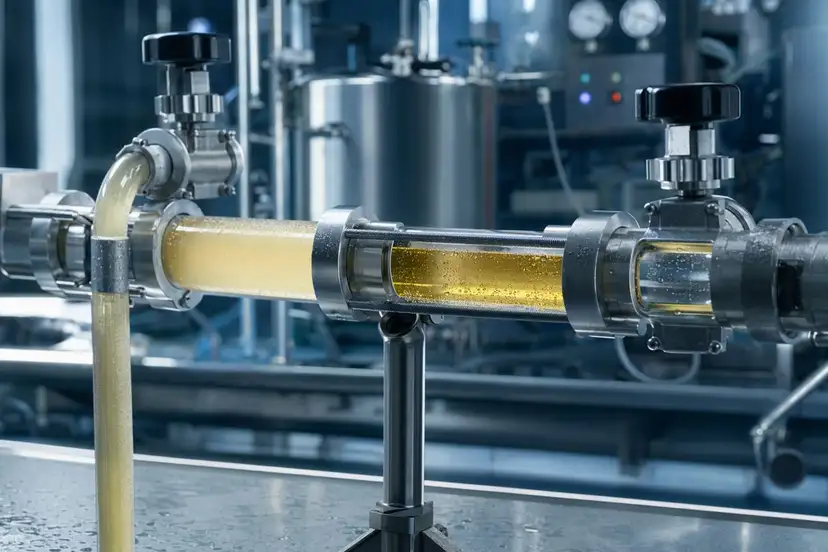
Clean Label Functional Beverages: What R&D Teams Need to Balance
A practical guide for RTD beverage R&D teams balancing clean label pressure, processing aids, sensory stability, color, mouthfeel, clarity, and shelf-life expectations.
Request pricing A practical guide for RTD beverage R&D teams balancing clean label pressure, processing aids, sensory stability, color, mouthfeel, clarity, and shelf-life expectations.
Request pricingClean label is no longer a niche brief. For RTD beverage factories, it is a commercial constraint that touches ingredient selection, process design, sensory performance, shelf appearance, and line efficiency.
As an enzyme supplier for beverage manufacturing, BrixPilot supports R&D and process teams that need functional beverages to look clean, drink consistently, and run predictably at scale. The challenge is not just removing ingredients from the label. It is protecting the product experience while keeping the plant practical.
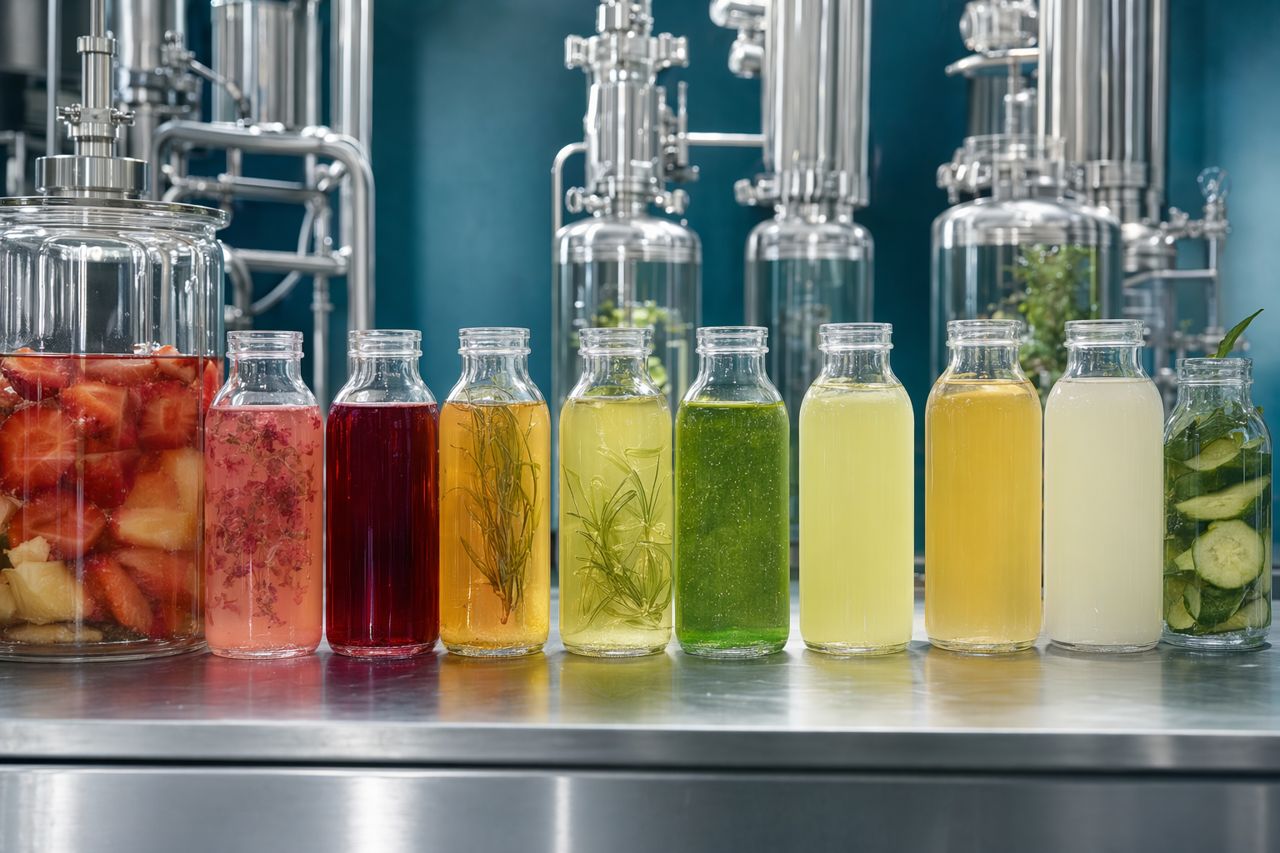
Consumers often interpret clean label through simple cues: recognizable ingredients, bright natural color, smooth texture, low sediment, and fewer chemical-sounding inputs. But inside the factory, those expectations can conflict with the realities of fruit systems, botanical extracts, cereal bases, plant ingredients, proteins, fibers, stabilizers, acids, and heat treatment.
A successful RTD formula has to balance:
Clean label success is therefore a systems problem. The label matters, but the process determines whether the product is manufacturable.
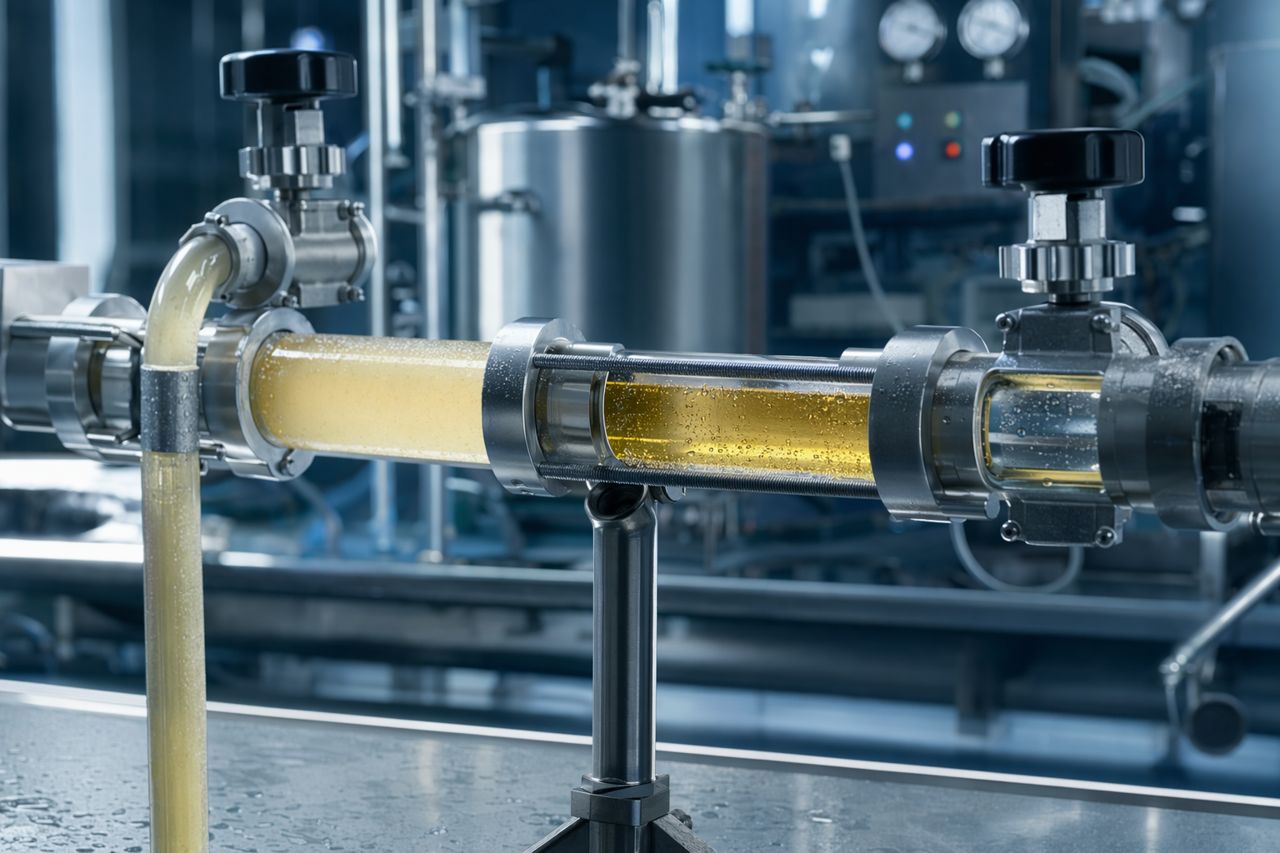
Enzymes are often evaluated as processing tools because they can modify raw material behavior before the final beverage reaches the consumer. In practical terms, they may help unlock juice or botanical yield, reduce pulp viscosity, manage haze-forming components, or improve flow during processing.
For R&D teams, the key question is not whether an enzyme can create a visible change in a bench sample. The useful question is whether it can improve the process window without compromising the sensory target, claim strategy, or shelf-life expectation.
BrixPilot projects often begin with one of these production outcomes:
The best enzyme choice depends on the matrix. Apple behaves differently from citrus. Tea behaves differently from oat. A high-acid fruit drink behaves differently from a protein-forward wellness shot. Clean label development requires this specificity.
Many clean label beverage briefs ask whether enzymes can function as processing aids. The answer depends on jurisdiction, ingredient identity, use pattern, residual presence, and the brand’s labeling position. R&D, regulatory, and quality teams should align early before the first scale-up trial.
From a manufacturing standpoint, the practical value of enzyme-enabled processing may include:
BrixPilot does not treat clean label as a shortcut. We treat it as a specification that has to survive procurement, processing, quality release, distribution, and consumer use.
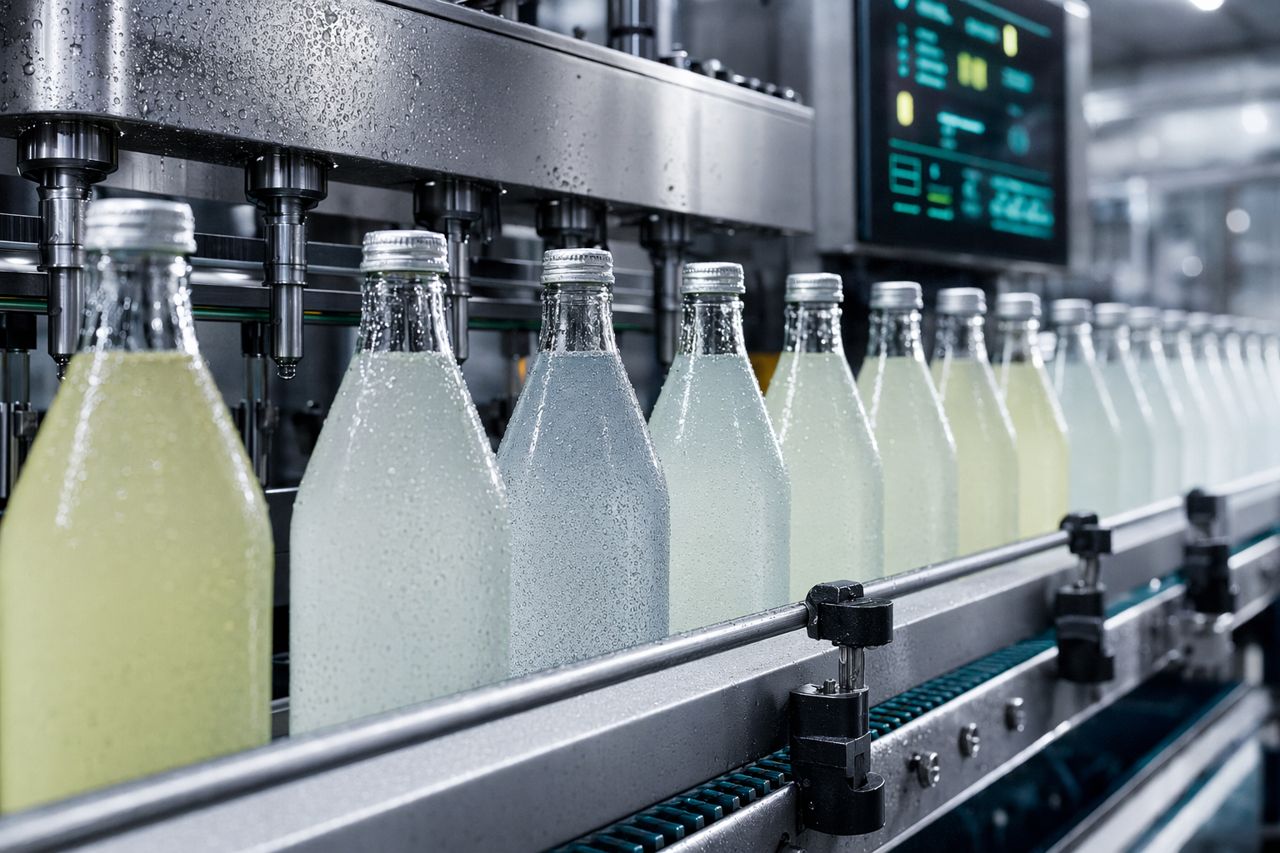
Not every functional beverage should be water-clear. Some formats rely on natural body, fruit identity, or botanical depth. The goal is controlled appearance, not automatic clarification.
For transparent RTD products, haze reduction can support premium shelf presence. For naturally cloudy beverages, the target may be stable, even turbidity without ringing, sediment, or phase separation.
A beverage that feels rich in a cup may be difficult to pump, filter, blend, or fill. Enzyme selection can help reduce process viscosity while preserving the intended drinking texture. That distinction matters. R&D teams should evaluate both sensory mouthfeel and in-plant handling behavior, not one or the other.
Higher extraction is valuable only when the recovered material tastes right. Botanical and fruit systems can bring bitterness, astringency, cooked notes, or color instability if the process is pushed too far. Enzyme use should be validated against the final flavor architecture, not just raw yield.
Clean label beverages often depend on natural color systems that are sensitive to pH, heat, oxygen, and ingredient interactions. Enzyme-assisted processing can support cleaner separation or reduced suspended load, but color stability still needs to be tested under the full shelf-life plan.
A clean label RTD project should move through a disciplined validation path. BrixPilot recommends evaluating enzyme candidates against the realities of the plant, not only the lab bench.
The strongest projects connect R&D data with manufacturing constraints early. That reduces reformulation loops and makes commercialization more predictable.
BrixPilot works with RTD beverage teams that need enzyme selection tied to production outcomes. We focus on the plant reality: ingredient variability, mixing order, temperature limits, filtration pressure, sensory targets, and commercial throughput.
Our role is to help technical buyers narrow the enzyme path before time is lost on mismatched trials. That can mean recommending candidates for fruit processing, botanical extraction, viscosity control, haze management, or texture optimization depending on the product system.
Clean label does not have to mean fragile manufacturing. With the right enzyme strategy, RTD teams can protect the consumer-facing promise while improving how the beverage runs.
If your team is developing a functional RTD beverage and needs support with clarity, mouthfeel, viscosity reduction, extraction yield, or formulation repeatability, BrixPilot can help identify practical enzyme options for your process.
Request a quote and include your beverage type, ingredient base, process goal, target appearance, and current production constraint.
Tell us your application and volume — we reply with pricing and lead time.